Every biological sample represents years of research, significant investment, and the potential to advance scientific discovery. Yet around the world, countless valuable samples are being compromised—not because of poor science, but because of outdated storage practices.
A 2025 article published by Technology Networks, "Forgotten Biological Samples Threaten Research Integrity," highlighted a growing concern across the life sciences industry: millions of biological samples are at risk of irreversible degradation due to inadequate storage management, incomplete records, or simply being forgotten. In some cases, samples presumed lost were only rediscovered months later—after their scientific value had already been compromised.
As modern biomedical research becomes increasingly data-driven and precision-focused, sample integrity is no longer just an operational issue. It is fundamental to research reproducibility, regulatory compliance, and scientific credibility.
The long-term quality of biological samples depends on one critical factor: maintaining a stable ultra-low temperature environment throughout the entire sample lifecycle.
However, manual storage workflows remain vulnerable to human error.
An improperly closed freezer door, misplaced sample boxes, incorrect sample retrieval, or incomplete record keeping can all disrupt the relationship between a sample's physical location and its digital identity. Even more concerning, repeated manual access exposes samples to unnecessary temperature fluctuations that can lead to cell damage, protein degradation, and irreversible loss of biological activity.
While conventional manual storage may appear cost-effective, the hidden risks—including compromised samples, lost research data, and operational inefficiencies—can ultimately prove far more expensive.
Around the world, regulatory organizations and industry standards increasingly emphasize standardized, traceable sample management.
The ISBER Best Practices (5th Edition) recommends that every biological sample be uniquely identified and fully traceable throughout its entire lifecycle—from facility and freezer location down to rack, box, row, column, and storage position. Every movement should be recorded through a complete audit trail to ensure data integrity and operational transparency.
China's national standard for human biobanks (GB/T 39766-2021) establishes similar requirements, calling for unique sample identifiers, complete lifecycle traceability, stable environmental control, and permanent preservation of tracking records.
Together, these standards make one conclusion increasingly clear: manual sample management is no longer sufficient to support today's research, clinical, and regulatory requirements.
At Genepoint Technologies (Genepoint), we believe biological samples should be preserved not only safely, but intelligently.
Our mission is to protect sample quality throughout the entire lifecycle by minimizing temperature fluctuations and enabling precise, data-driven sample management.
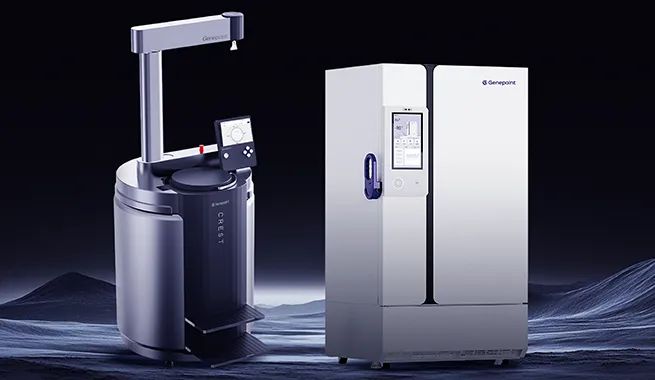
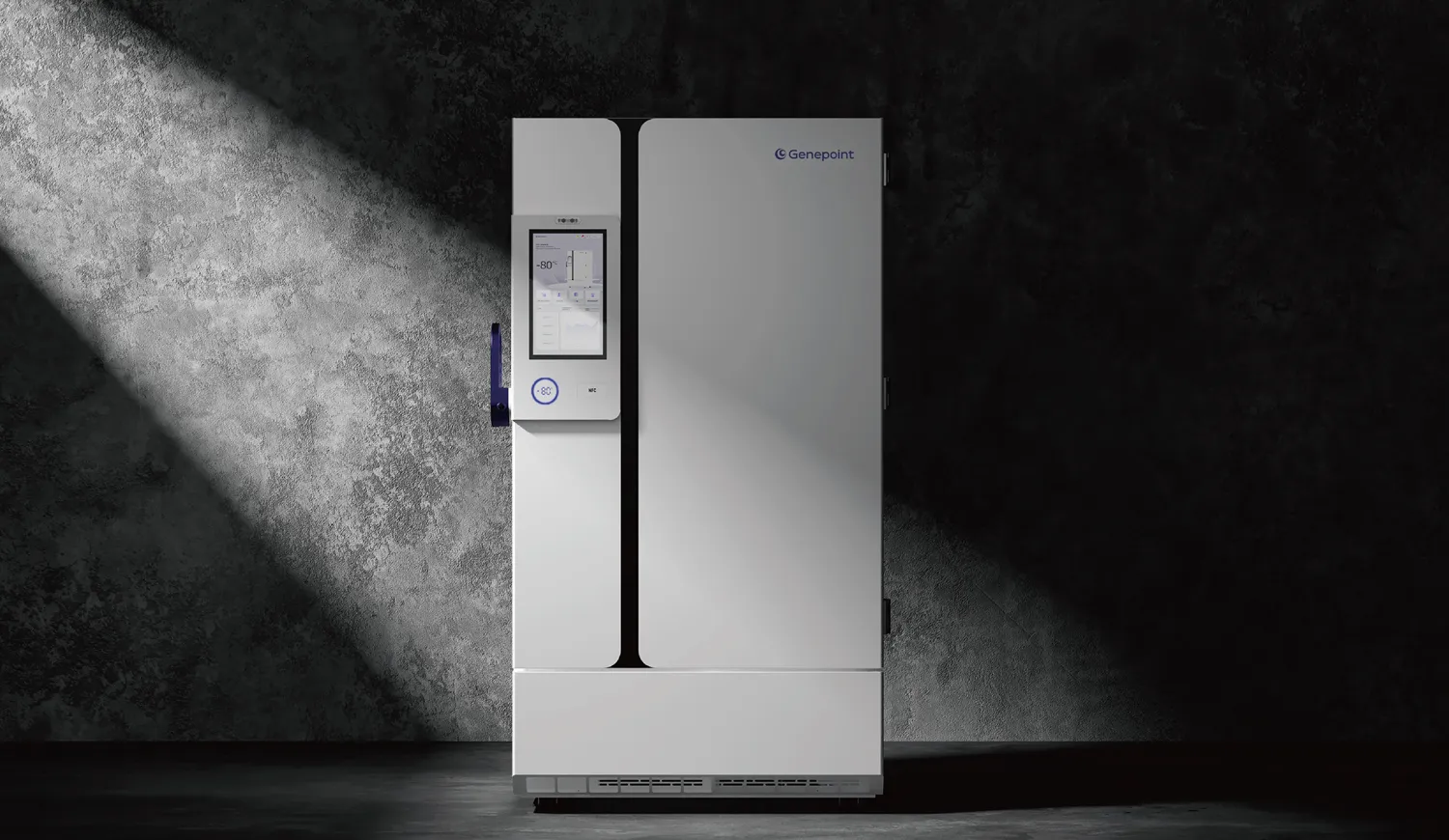
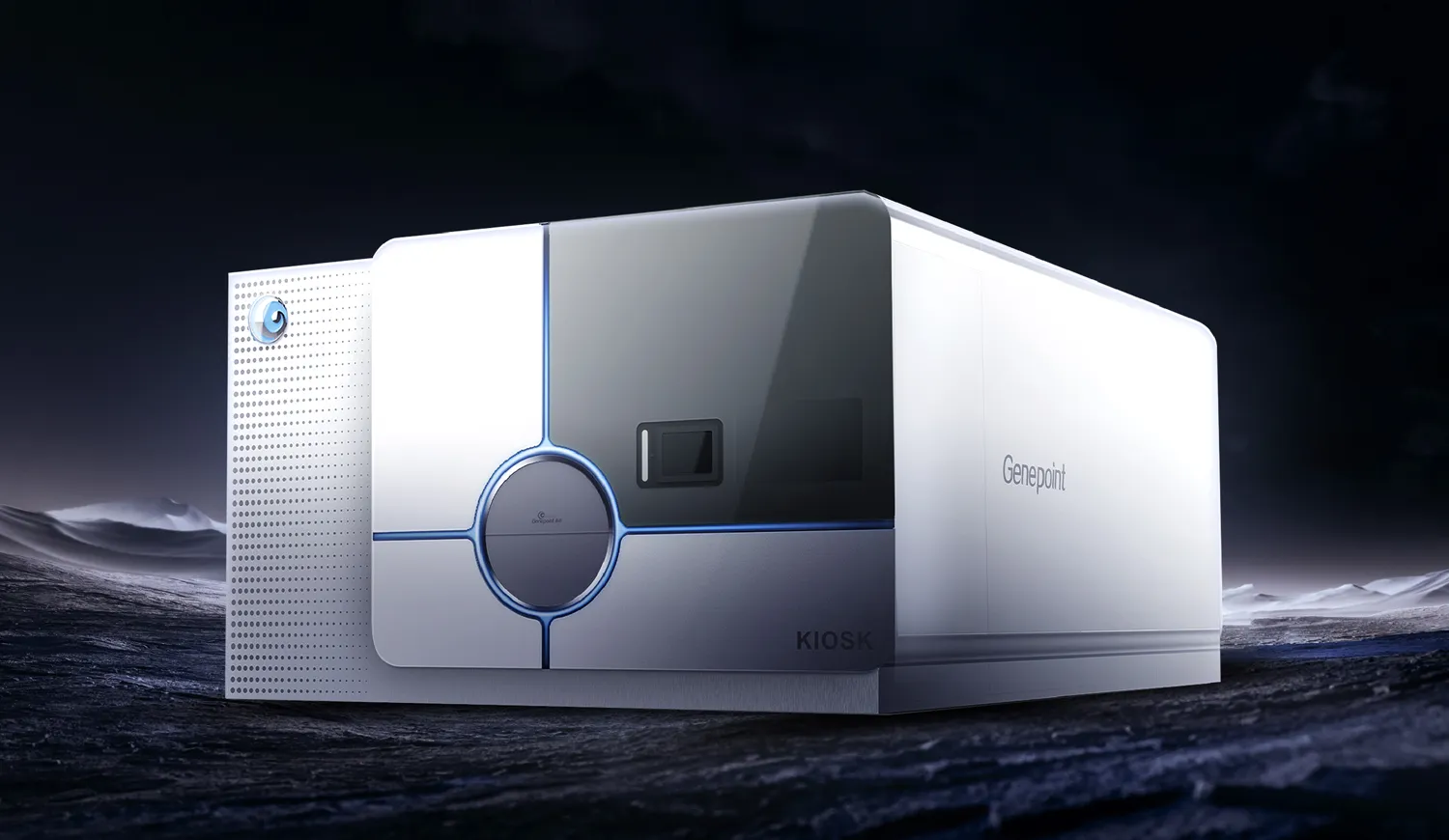
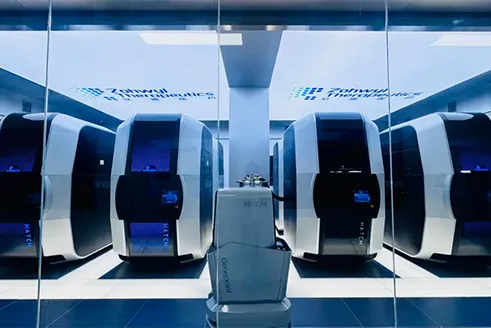
Genepoint's automated sample storage solutions are designed to eliminate many of the risks associated with conventional manual workflows while supporting laboratories, biobanks, hospitals, and biopharmaceutical organizations in building compliant, scalable storage infrastructure.
Key technology advantages include:
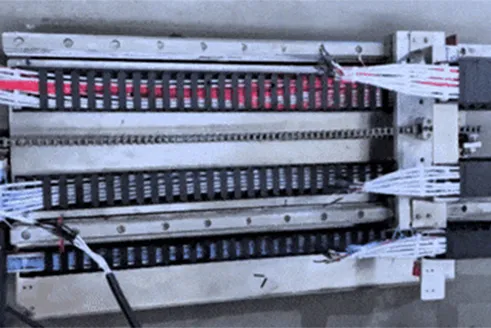
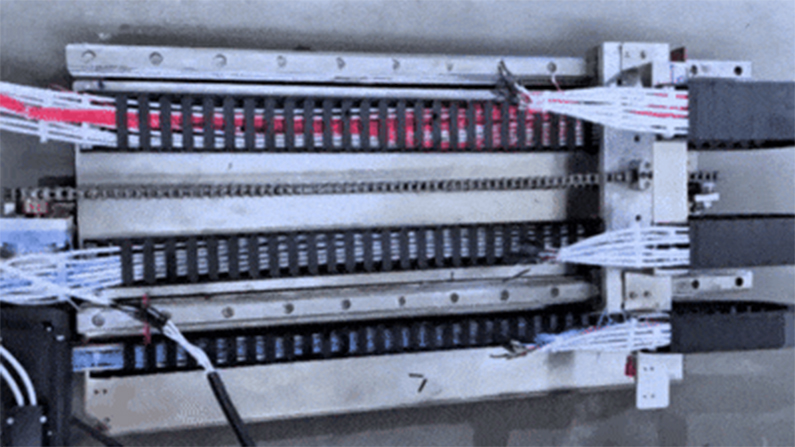
Ultra-low temperature engineering supporting reliable operation in environments as cold as -200°C, enabled by proprietary mechanical systems and specialized materials.
AI-powered vision-assisted tube picking, delivering highly accurate sample identification and positioning—even under challenging conditions such as frost accumulation or cryobox deformation.
End-to-end digital traceability, powered by Genepoint's proprietary sample management software, providing real-time tracking of every storage, retrieval, and internal sample movement to strengthen data integrity and regulatory compliance.
Beyond innovation, long-term reliability remains a core design principle. Critical system components undergo extensive environmental validation and more than 10,000 hours of continuous durability testing to ensure stable performance throughout years of operation.
Every biological sample represents irreplaceable scientific value. Every dataset depends on the integrity of the samples behind it.
As cell and gene therapies, precision medicine, regenerative medicine, and translational research continue to advance, intelligent sample management is becoming an essential foundation for scientific progress.
At Genepoint, we are committed to delivering automated, intelligent biobanking solutions that safeguard valuable biological resources while enabling researchers and clinicians to work with greater confidence, efficiency, and compliance.
Because protecting every sample means protecting the future of life science.