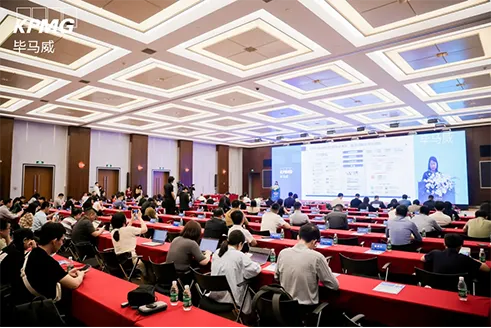
The First International Training Program on Pathogen and Biosafety Research Technologies concluded successfully in Shanghai in July 2025. Co-organized by the MOE/NHC/CAMS Key Laboratory of Medical Molecular Virology (School of Basic Medical Science, Shanghai Medical College, Fudan University) and the Shanghai Institute of Infectious Disease and Biosecurity, the program brought together CDC professionals and research delegates from 13 countries across Africa, Asia, and Latin America to explore the latest advances in pathogen research and biosecurity.

At the event, Ding Fubin, Chief Executive Officer of Genepoint, delivered a keynote presentation on the successful implementation of biobank automation, sharing China's proven practices in intelligent biobanking.
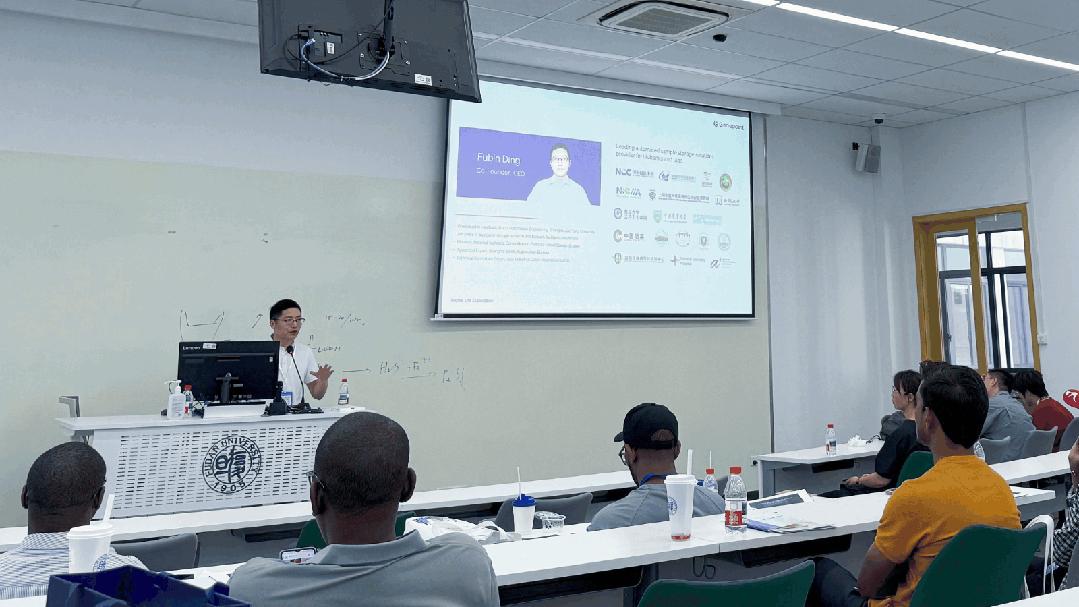
Over the past three decades, biobanks have evolved from small-scale research repositories into sophisticated facilities, ranging from large national population cohort biobanks to specialized biorepositories designed for targeted applications.
Powered by integrated digital management systems, automated biobanks unify the entire sample lifecycle—from receipt, processing, and quality control to automated storage, distribution, and data utilization. These systems enhance safety for personnel, facilities, samples, and sensitive data while enabling seamless access to clinical and multi-omics insights.
Today, automated biobanks serve as essential enablers of smarter resource allocation, data-driven policy development, and optimized healthcare infrastructure.
Despite strong market demand, building reliable automated biobanks presents significant challenges. Drawing on more than 10 years of end-to-end biobank expertise, Fubin outlined practical obstacles in traditional biobanking and explained how advanced technologies address them.
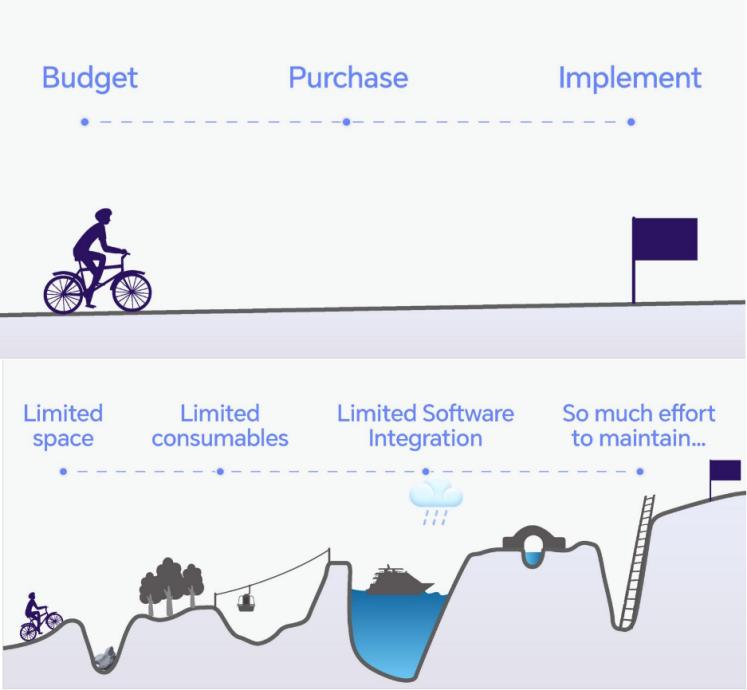
Many biobanks face budget constraints, increasing sample volumes, inconsistent operating standards, and a complex array of automation solutions. Fubin emphasized that biobanks should align their design with real-world needs, adopt widely recognized industry standards, collaborate with experienced providers, and implement robust, field-proven equipment.
Diverse consumable brands, inconsistent specifications, and varying equipment compatibility often complicate laboratory workflows.Fubin emphasized that rigorous pre-implementation testing is essential.
- Temperature Performance Validation
- Seal Integrity Assessment
- Mechanical stability for automated picking processes
- Comprehensive verification of equipment compatibility
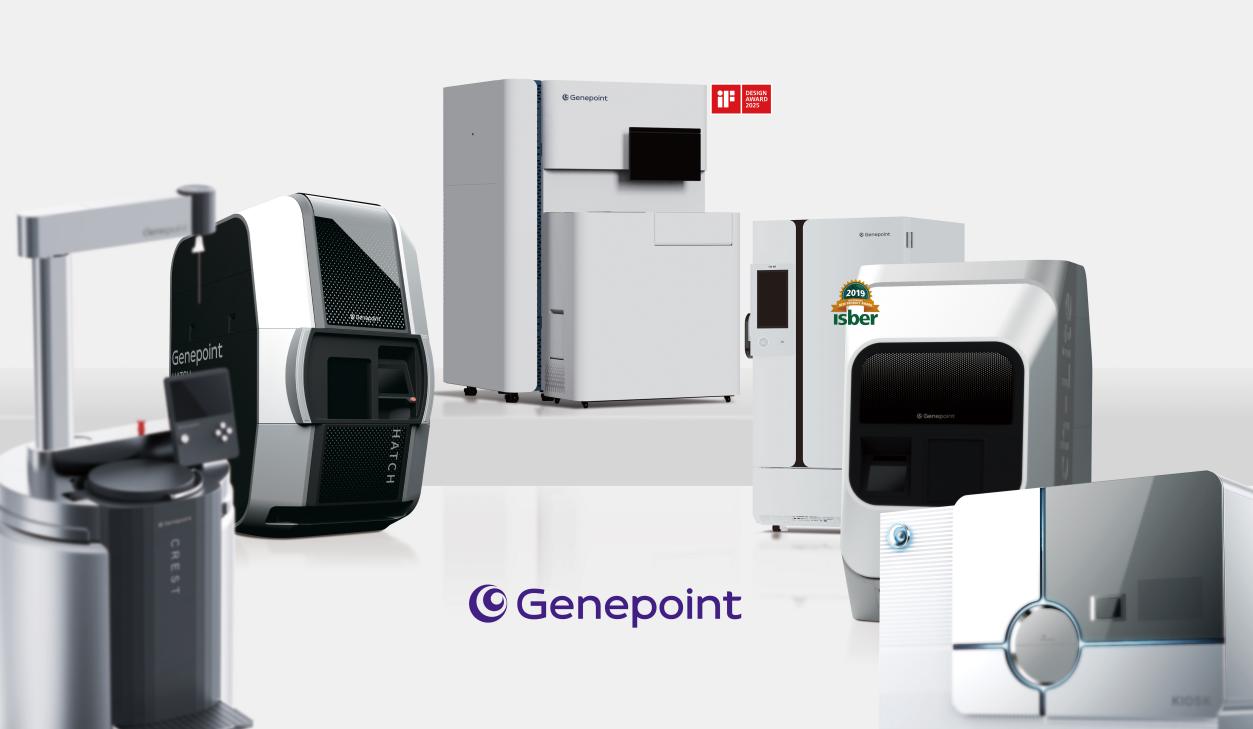
Genepoint's purpose-built automated ecosystem minimizes integration risks and ensures consistent, high-precision sample management.

Legacy LIMS platforms often operate in silos and lack real-time connectivity with automated hardware, resulting in bottlenecks and inefficiencies. Seamless integration between LIMS and automated storage systems streamlines ordering, logging, status updates, and sample handling, thereby enhancing productivity for research teams.
Power disruptions, limited backup systems, complex troubleshooting, and weak emergency protocols put valuable samples at risk. Automated biobanks require built-in safeguards such as dual cooling systems, UPS backup, liquid nitrogen failover, and rapid sample recovery protocols.
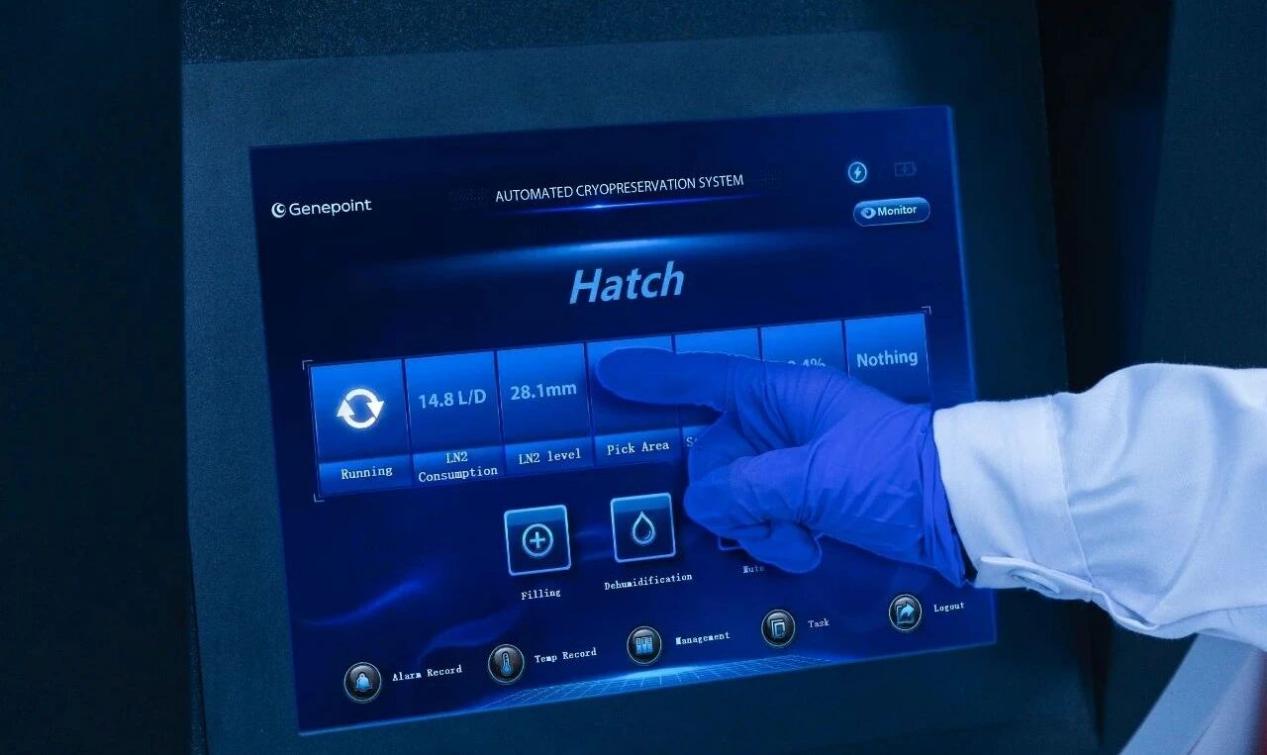
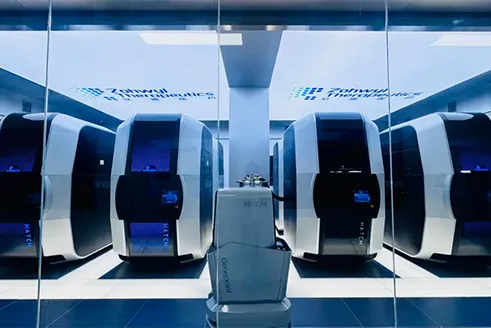
Genepoint's Hatch series Automated Cryogenic Repository System exemplifies this resilience: even after a complete loss of liquid nitrogen supply, it maintains a stable −135°C environment for more than 10 days to protect samples.