For laboratories handling hundreds of thousands or even millions of biological samples, a −80°C freezer is more than a piece of cold-storage equipment. It is part of the sample workflow.
But as sample collections grow, traditional manual freezers can become increasingly difficult to manage.
Finding a specific sample may require opening doors, removing boxes, checking labels, and searching through crowded storage locations. Frequent access can also introduce warm, humid air into the freezer, leading to frost buildup and making routine maintenance increasingly burdensome.

These challenges raise a broader question:
Can a ULT freezer do more than simply keep samples at −80°C environment?
For laboratories looking to improve sample integrity, retrieval efficiency, and day-to-day operations, automated sample storage offers a different approach.
In a conventional manual freezer, locating a sample is often a hands-on process.
An operator may need to open the freezer, remove storage boxes, search through positions, and return everything to its original location. As the number of samples increases, this process becomes more time-consuming and prone to human error.
More importantly, repeated manual handling means samples may experience unnecessary temperature fluctuations during retrieval.
For laboratories processing samples on a regular basis, sample retrieval is not a one-time task—it is a repeated operational cost.
Automated sample storage changes this workflow.
Instead of manually searching through the freezer, users select the required sample through the system interface, and the automated system retrieves it from its designated storage position.
This helps reduce manual searching and unnecessary sample handling while creating a more consistent retrieval process.
Biological samples stored at ultra-low temperatures need to remain within controlled temperature conditions throughout their storage lifecycle.
In a manual freezer, every retrieval begins with human access. Opening the freezer door exposes the storage environment to warmer room air, while removing and handling samples can create localized temperature fluctuations.
For samples that are repeatedly accessed, these small exposures can accumulate.
Automated retrieval minimizes unnecessary intervention by moving samples between the storage area and access area automatically.
The goal is simple:
Retrieve the sample you need without disturbing everything else around it.
Frost is one of the most familiar problems associated with conventional ultra-low temperature freezers.
Every time a freezer door is opened, warm and humid ambient air enters the cold environment. The moisture in that air can condense and freeze on internal surfaces.
Over time, accumulated frost can affect sealing and freezer operation and create additional maintenance work.
For laboratories with frequent sample access, this can become a recurring operational headache.
A buffer zone can make a difference
Snorkel, an automated freezer, takes a different approach by introducing a −20°C buffer zone between the ambient environment and the −80°C storage area.
Rather than allowing room-temperature air to enter the −80°C storage area directly, the buffer zone acts as an intermediate stage where much of the incoming moisture can condense.
The buffer zone also features automatic defrosting, reducing the need for manual intervention.
In addition, the interface between the buffer zone and the −80°C storage area is much smaller than a conventional freezer door, helping further limit moisture entering the main storage environment.
The combination of the buffer zone, smaller transfer interface, and automated defrosting is designed to significantly reduce frost accumulation.
According to Genepoint's internal calculations, Snorkel's frost accumulation rate is approximately 1/4,600 that of a conventional manual freezer under the referenced operating conditions.
The benefit is not simply aesthetic.
Less frost means fewer interruptions caused by ice buildup, less manual defrosting, and a more stable environment for automated sample handling.
For laboratories operating automated storage systems continuously, reliable access and reduced maintenance are essential.
The value of automated sample storage goes beyond reducing the time an operator spends looking for a tube or box.
It can help laboratories address several challenges at the same time:
Reduce manual sample searching
Minimize unnecessary sample handling
Reduce repeated freezer-door opening
Improve sample retrieval consistency
Reduce frost and moisture accumulation
Reduce routine defrosting requirements
Support higher-throughput sample workflows
This is why the transition from a conventional −80°C freezer to automated sample storage is not simply about replacing one piece of equipment.
It is about redesigning how samples are accessed and managed.

A traditional freezer is designed to keep samples in the −80°C chamber.
Modern laboratories increasingly need more: controlled access, efficient retrieval, reliable sample handling, and better operational efficiency.
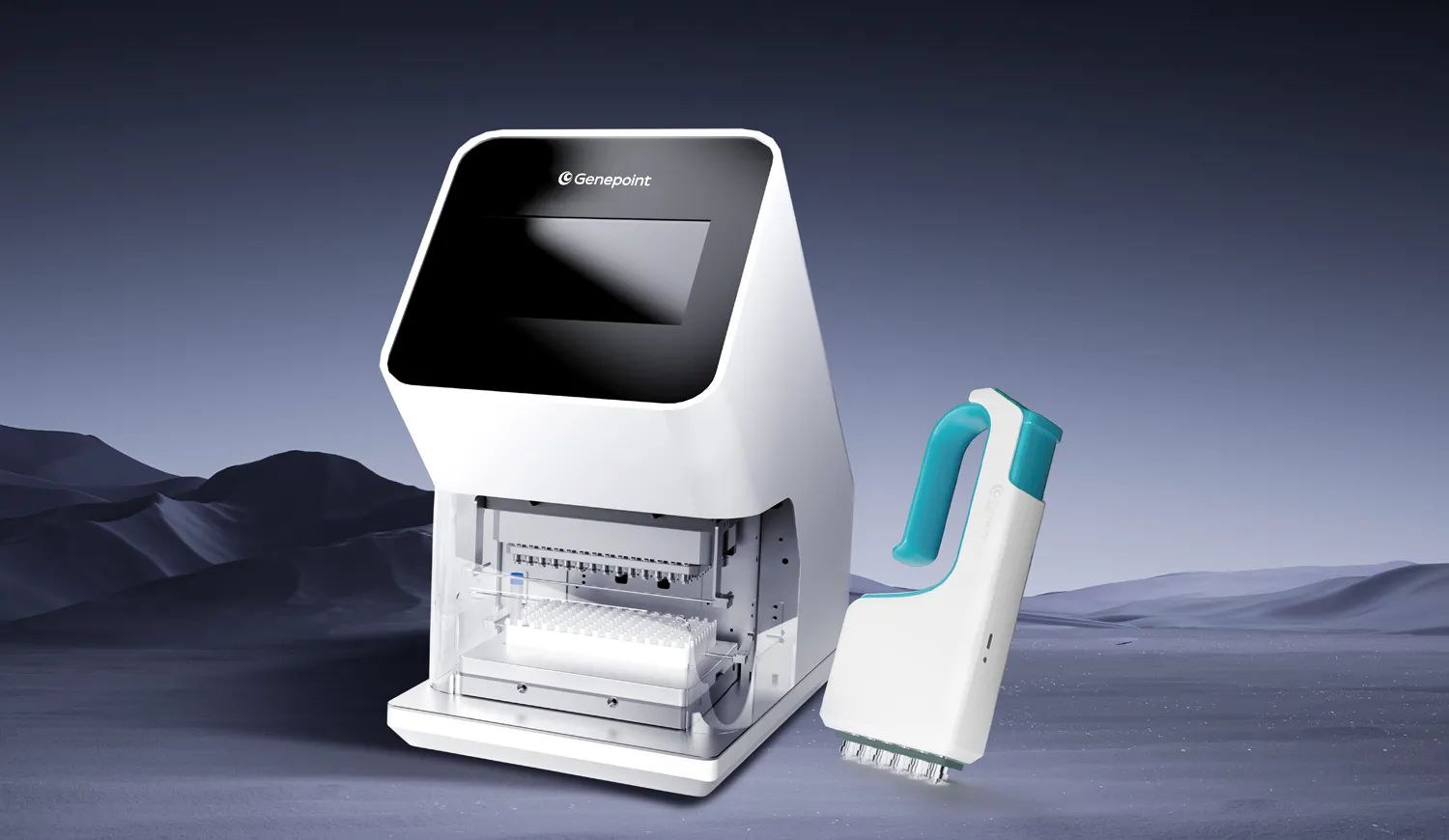
Genepoint Snorkel combines −80°C storage with automated sample handling and intelligent management to address the practical challenges that laboratories encounter every day.
Because true sample storage is not just about where samples are stored, but how securely, consistently, and traceably they are managed.