Automated sample storage systems are used by organizations that manage large collections of cryovials or racks at controlled temperatures and need reliable retrieval, traceability, and long-term preservation. Typical users include research institutes, universities, hospitals and medical centers, biobanks, pharmaceutical and biotechnology companies, contract research and development organizations, and shared public platforms. These groups differ in sample type, access frequency, regulatory pressure, and growth trajectory, but they share a need to reduce manual handling errors and protect sample integrity.
Operational Drivers for Automation
Organizations consider automated storage system when manual freezers become difficult to audit, retrieve, or scale. Key drivers include sample volume, temperature requirements such as -80°C or liquid nitrogen conditions, access frequency, chain-of-custody documentation, integration with laboratory information management systems, available floor space, and expected collection growth. Automation is not a single decision but a response to operational mistakes: repeated searching for vials, uneven freezing conditions, or incomplete audit trails.
Research Institutes and Universities
Academic laboratories often manage diverse sample collections across multiple projects. A single department may store DNA, RNA, tissue, cell lines, and clinical isolates in different formats. Thus, the access patterns can be irregular, with periods of low activity followed by intensive screening or sequencing campaigns. Automated systems help standardize vial store and retrieval, reducing the risk of misidentification when students and staff rotate.
Hospitals and Medical Centers
Hospital-based biobanks and pathology services store samples linked to patient records, clinical trials, or diagnostic follow-up. Traceability is critical because sample identity affects patient care and research validity. These users often require temperature monitoring, audit logs, and controlled access by role. Automated storage systems can reduce manual handling of vials and support consistent documentation.
Biobanks and Population Studies
Biobanks typically maintain large, growing collections with long retention periods. Sample types may include blood fractions, saliva, urine, or tissue, often stored in cryovials within standardized racks. Access frequency varies: some collections are rarely retrieved, while others support active cohort studies. Automation supports high-density storage and systematic inventory control. As of August 2026, Genepoint has sold a total of 400 automated storage devices globally with its installed base collectively managing over 10 million samples.
Pharmaceutical and Biotechnology Companies
Discovery of drug and development teams store compound libraries, cell lines, and clinical trial samples under strict quality expectations. Workflows often involve repeated access to subsets of samples, integration with liquid handling equipment, and documentation for regulatory review. Automated storage can reduce variability in sample handling and improve reproducibility.
CROs, CDMOs, and Shared Platforms
Contract research organizations, contract development and manufacturing organizations, and shared core facilities serve multiple clients with different sample types and service agreements. These users need clear separation between client inventories, flexible access controls, and predictable billing or usage tracking. Automation can help standardize storage conditions across projects and reduce cross-contamination risk. Evaluation should include multi-tenant software permissions, sample ownership tracking, and whether the system can accommodate varied rack formats without extensive manual reconfiguration.
The Genepoint Product Portfolio
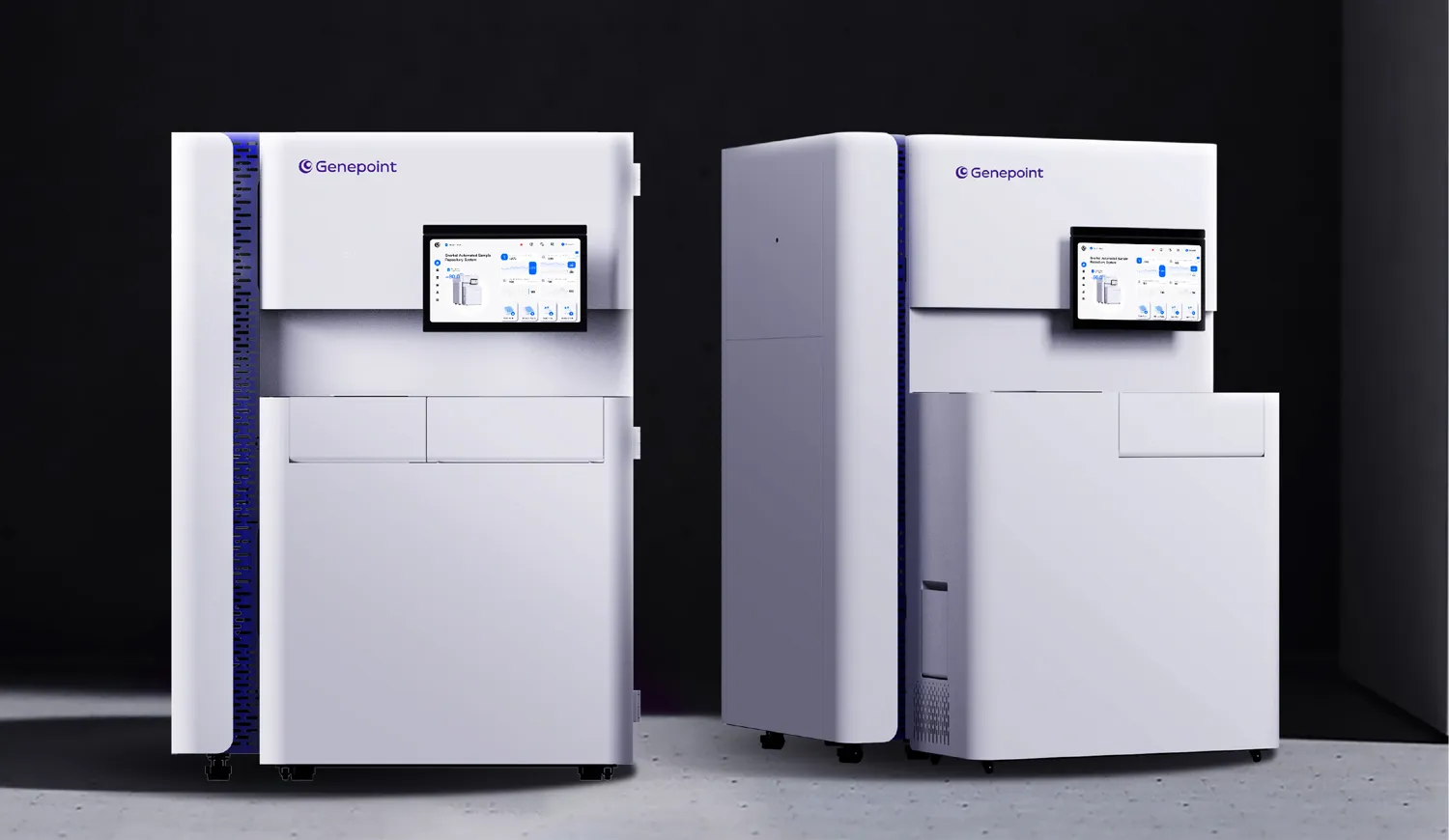
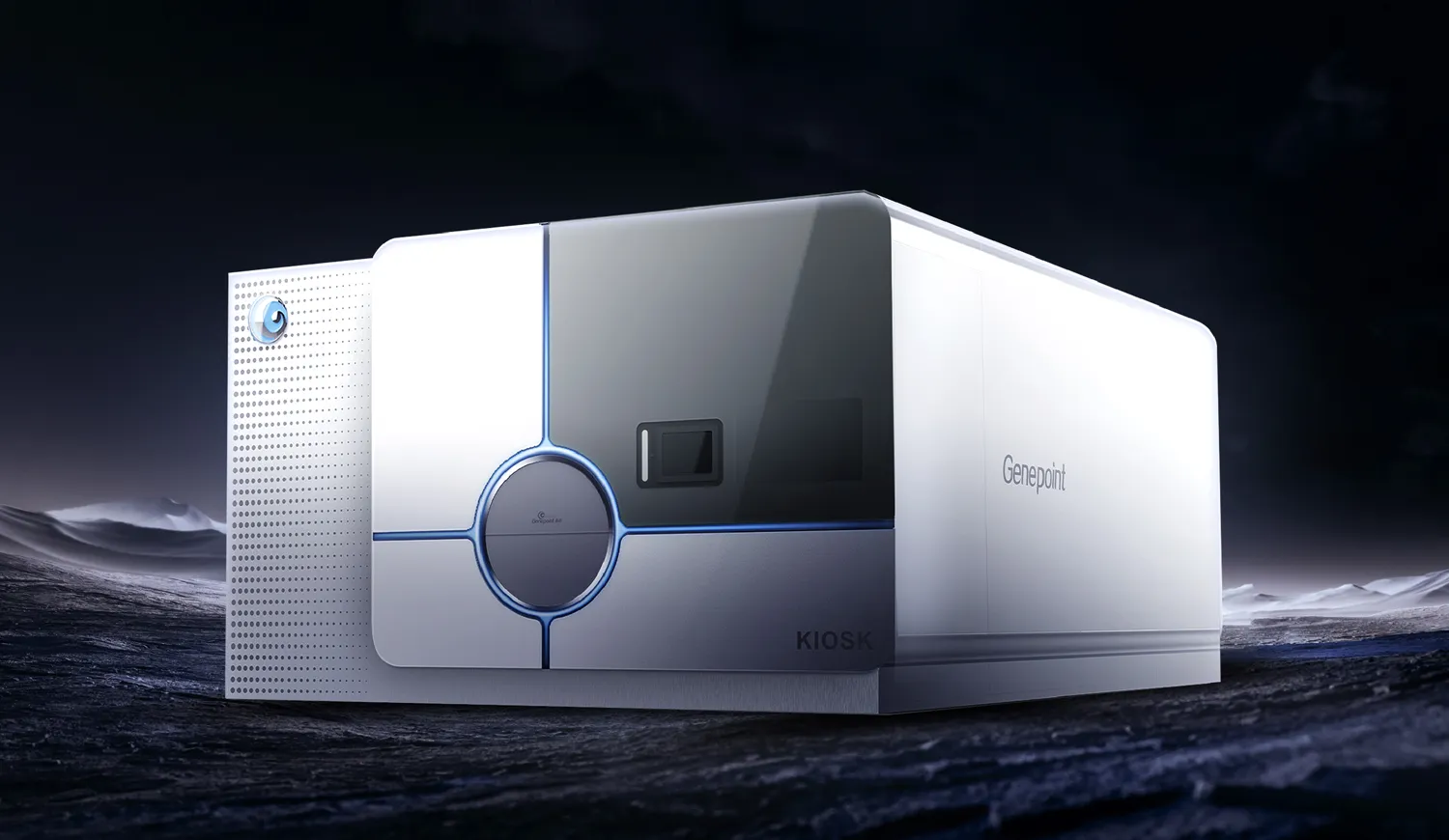
Genepoint's portfolio spans three product categories. For automated storage system, the company offers the Hatch Automated Cryogenic Repository System (Automated LN2 Freezer) , the Snorkel Automated Sample Repository System(Automated lab freezer), and the Kiosk -80°C Automated Biobanking System (Automated walk-in freezer). For classic sample storage, Crest provides liquid-nitrogen storage, while Samplock is a -80°C freezer that pairs reliable cooling with digital sample management for daily biospecimen storage. For sample-handling workflows, Sinfo provides 2D-coded cryovials, Presto reads the codes automatically, Rondo automates capping and decapping of SBS-format cryovials, and Echo laser-prints permanent text and Data Matrix codes directly on cryovials. Together, these products cover the workflow from identification and handling to storage.
Buyer Checklist for Matching Customer Type to Workflow
When evaluating automated sample storage, procurement and laboratory operations teams should make sure:
1. Define sample types and formats, including cryovial, cryo box, and SBS rack usage.
2. Confirm required temperature range and whether liquid nitrogen or -80°C storage is appropriate.
3. Estimate current and projected sample counts to assess scalability.
4. Document access frequency and retrieval patterns.
5. Identify integration points with existing LIMS or data systems.
6. Request documented evidence for mechanical-cycle testing, calibration, validation, and maintenance procedures.
7. Finally, ask for references or site visits relevant to the organization's customer type.