Automated sample storage is not automatically worth it for every small or mid-sized laboratory. It tends to deliver the strongest return when a team handles high-value biospecimens, performs frequent retrievals, struggles with manual inventory errors, or expects steady sample growth over three to five years. For labs with low retrieval volumes, stable workflows, and tight capital budgets, a well-managed manual system may remain the better near-term choice. The decision should therefore be based on operating requirements rather than laboratory size alone.
Start with Operating Requirements, Not Lab Size
Smaller laboratories should evaluate automation using the same criteria as larger facilities. The most useful starting questions are: How many cryovials or racks are stored and retrieved per day? How many staff hours go into locating, pulling, returning, and logging samples? What is the cost of a lost or misidentified vial? If retrieval frequency is low but sample value is high, automation may still be justified by improved traceability and reduced handling risk.
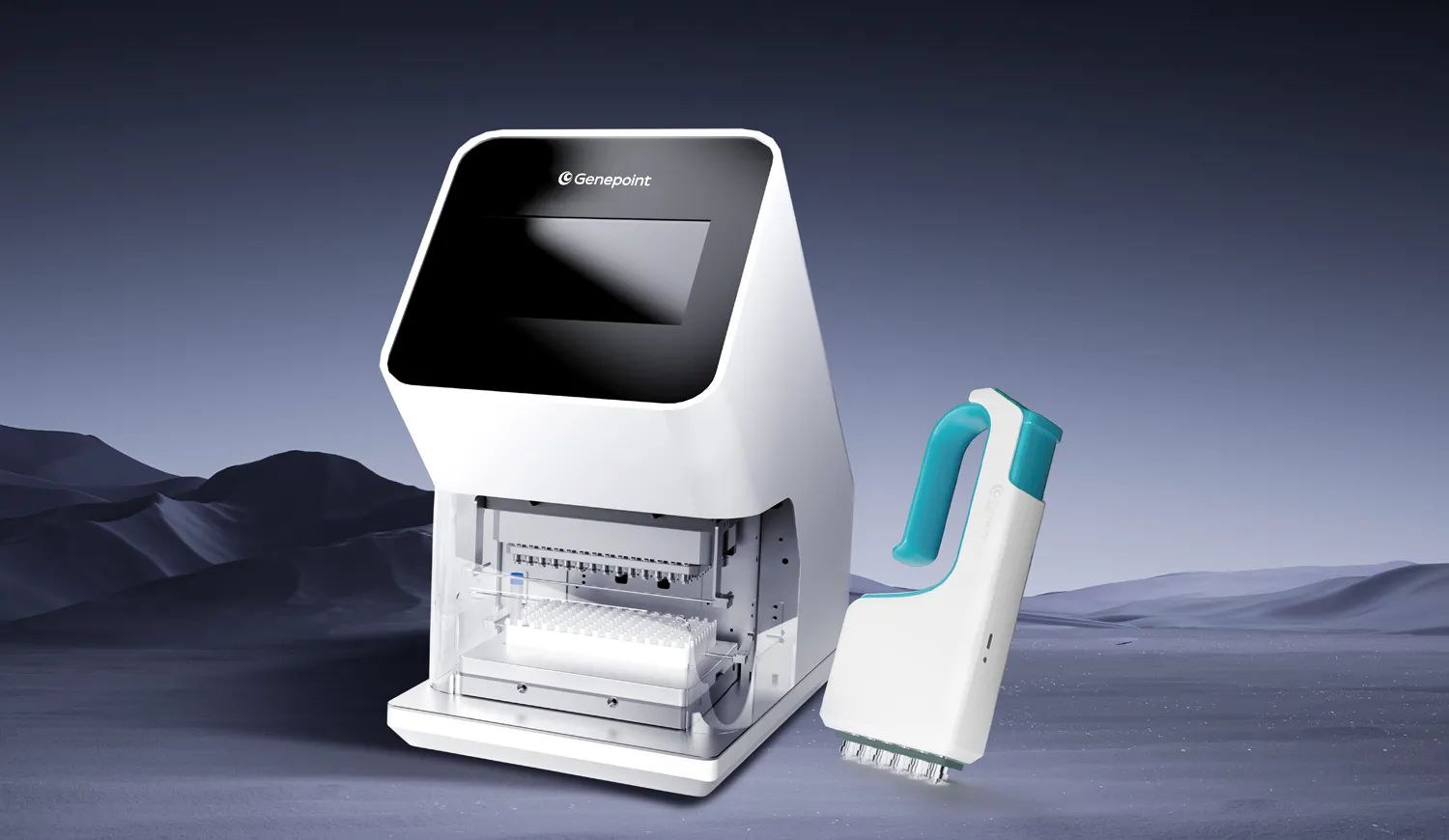
When the answers to these questions show that logging consumes disproportionate staff time, or that one misidentified vial carries unacceptable cost, the problems behind the questions become concrete. These are the problems Genepoint's workflow portfolio is designed to remove at the source. Sinfo 2D-coded cryovials standardize sample identity before registration, replacing handwritten labels. Presto captures handling events automatically, replacing logbooks. SampleAtlas keeps one inventory record with defined ownership, replacing inconsistent rack labeling and data-entry practices. In this design, standardization is built into the consumables and the software, not left to each laboratory's discipline.
Where Smaller Teams See Practical Value
For laboratories with limited staff, automated storage can reduce time spent on manual handling and inventory reconciliation. Instead of searching through cryo boxes and SBS racks, technicians can retrieve samples through a software-controlled workflow. This can improve retrieval confidence and make audit preparation less labor-intensive. More consistent records also help when a laboratory must demonstrate sample chain of custody to collaborators or regulators.
Another benefit is process standardization. Smaller laboratories often rely on one or two experienced staff members who know where everything is located. When those people leave, institutional knowledge leaves with them. An automated system with structured sample locations and digital records can make workflows more repeatable and less dependent on individual memory. This is a long-term operational benefit, not an immediate cost saving.
Staged Adoption Can Reduce Risk
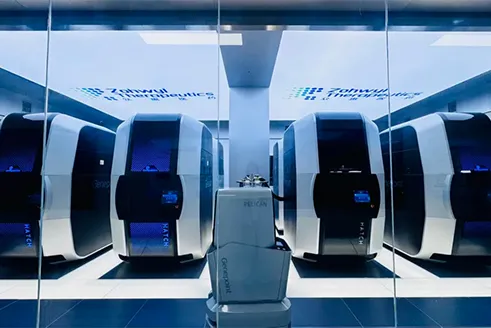
A staged approach may be more practical than replacing an entire manual storage room at once. A laboratory could begin with a compact automated freezer for a defined collection, such as high-value research samples or clinical trial specimens, while keeping lower-priority material in traditional storage. This allows the team to learn integration, training, and maintenance requirements before expanding.
Starting small does not by itself guarantee lower total cost. A compact system may still require software integration, facility modifications, staff training, and service planning. Laboratories should compare the full lifecycle cost of a staged deployment against the cost of continuing manual operations with improved inventory software or better labeling practices.
Total-Cost and Readiness Checklist
Before requesting quotes, smaller laboratories should prepare a checklist covering more than the purchase price. Key items include:
• Consumables: Are cryovials, racks, cryo boxes, and SBS racks compatible with the automated system? Will the lab need to replace existing inventory containers?
• Software and integration: Can the system connect to the laboratory information management system or electronic lab notebook? What data fields are required for each sample record?
• Utilities and space: Does the site have adequate power, cooling, ventilation, and floor load capacity? Is there room for service access and future expansion?
• Training and validation: How much staff time is needed for initial training, and what validation documentation will the vendor provide?
• Maintenance and service: What is the expected service interval, response time, and spare parts availability? Buyers should request documented evidence rather than relying on verbal assurances.
• Future expansion: Can the system scale by adding modules or connecting to other automated units, or will growth require a separate system?
Making the Final Decision
Automated sample storage is worth considering for small and mid-sized laboratories when manual workflows create measurable risk, retrieval demand is steady or growing, and the team can commit to standardized processes. It is less attractive when budgets are fixed, sample volumes are small and stable, and current manual systems already meet traceability requirements.
The most effective evaluation combines a three-to-five-year growth projection with a realistic assessment of labor, error, and audit costs. Laboratories that do this can decide whether automation is a strategic investment or a premature capital expense. In many cases, the answer will be neither an immediate yes nor a permanent no, but a phased plan based on sample value and operational readiness.