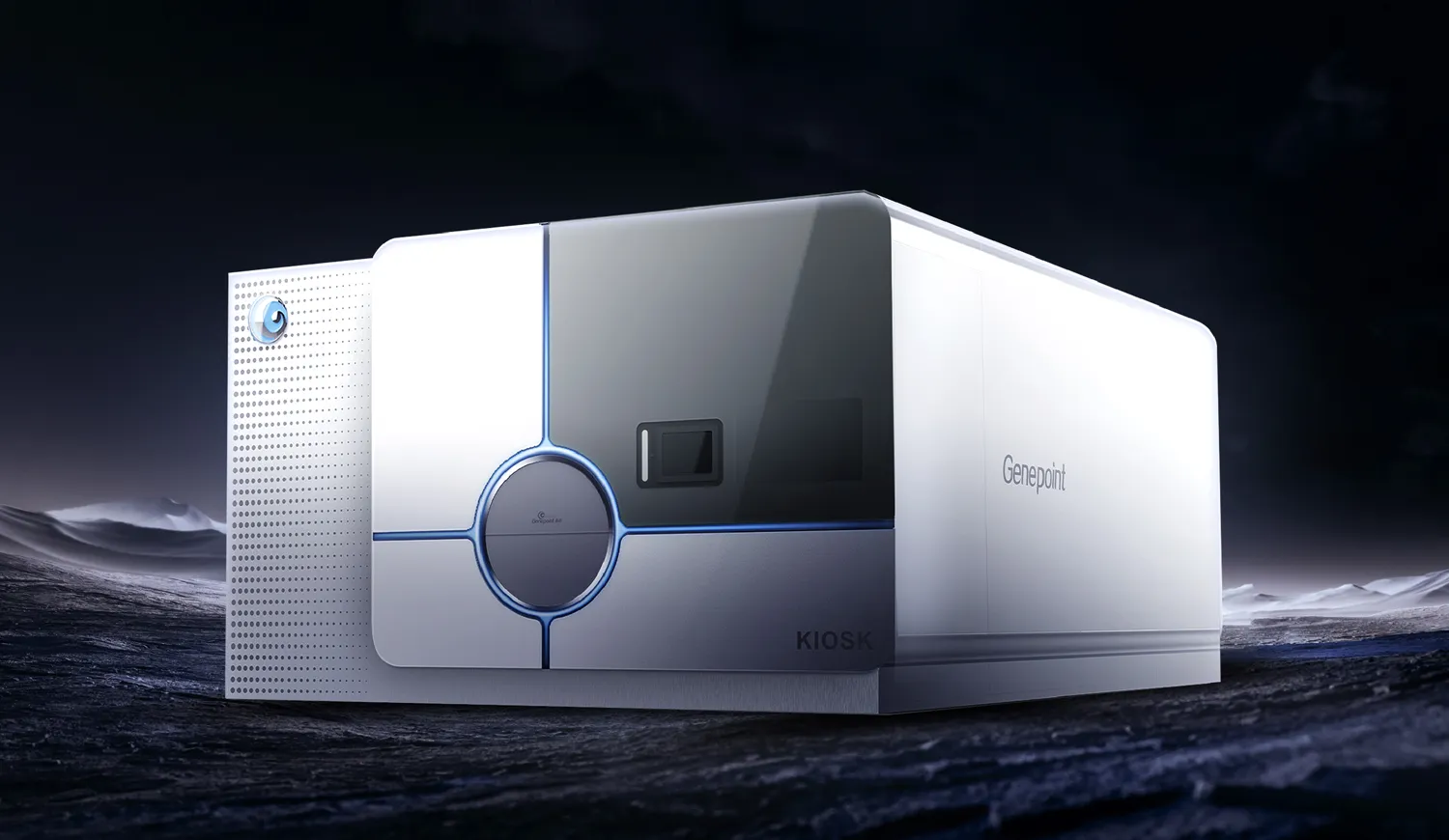
As sample collections expand, laboratory managers face a challenge that goes beyond storage capacity.
How do you know where every sample is, who can access it, how much storage space is being used, and what happens when a researcher leaves the laboratory?
A freezer can provide the physical space. But efficient sample management requires much more.
Snorkel automated lab freezer combines physical sample handling with digital information management, helping laboratories move from simply storing samples to actively managing their sample inventory.

Laboratories do not always use the same type or brand of vials.
Depending on the application, a single facility may handle 2D-coded cryovials, PCR plates, microplates, deep-well plates, ampoules, reagent tubes, centrifuge tubes, and conventional cryoboxes.
Automation can sometimes introduce another problem: limited consumable compatibility.
Snorkel is designed with a high degree of flexibility and can accommodate a wide range of laboratory consumables. Certain formats can also be used with Genepoint's dedicated "Magic Box" adapter.
This allows laboratories to integrate automation into existing workflows without having to standardize every consumables format.
Automated sample storage is most useful when the physical location of a sample and its digital record remain connected.
Snorkel integrates Genepoint's SampleAtlas sample information management system, providing sample registration, storage, retrieval, and inventory management capabilities.
For laboratories using standardized 2D-coded cryovials, the system can automatically verify samples during inbound and outbound operations.
For research workflows using non-standardized consumables, samples can be managed at the box level, while images captured when samples are stored provide an additional visual reference.
This creates a more traceable connection between the sample in the freezer and the information in the system.
Shared freezers can create another management challenge: not every user should necessarily have access to every sample or storage location.
Snorkel supports facial recognition and multi-level user permissions, allowing administrators to define access rights for different users.
Operators can access only the storage locations within their assigned permissions, while administrators can configure overall storage permissions and usage rules.
For particularly important samples, Snorkel can also support dual-person authentication, adding another layer of control against unauthorized or accidental operations.
This transforms sample access from an informal physical process into a controlled digital workflow.
Freezer capacity is expensive.
Yet in a traditional freezer, it can be difficult to understand exactly how storage space is being used, where empty positions are located, or how much space has become fragmented.
Snorkel provides operational data such as:
Sample storage and retrieval activity
Storage-space utilization
Space fragmentation
Inventory information
For laboratory managers, this information can support better decisions about storage capacity, equipment utilization, and future procurement.
Instead of estimating freezer demand based on visual inspection, managers can make decisions based on actual storage data.
Automation becomes particularly valuable when sample retrieval is frequent.
The standard Snorkel configuration can help one operator manage multiple freezers simultaneously, while Snorkel Pro supports automated tube picking and scheduled sample retrieval.
For high-throughput laboratories, this means operators can spend less time physically managing freezers and more time on activities that require human expertise.
Automation therefore becomes not only a storage solution, but also a way to increase laboratory productivity.
Sample management does not end when a researcher finishes a project.
When students graduate or employees leave an organization, laboratories need to ensure that their samples are properly identified, transferred, and documented.
This is where physical sample records and digital inventory information need to work together.
Snorkel combines database records with top-view images captured during storage, providing an additional way to verify the physical contents and location of samples without repeatedly opening boxes.
This can make sample handover more systematic and reduce the risk of samples becoming difficult to identify or manage later.
The biggest benefit of automation may not be the robot itself.
It is the visibility it creates.
With automated sample storage, laboratory managers can gain a clearer view of:
Who is accessing samples?
Where are samples stored?
How much capacity is being used?
Where is storage becoming fragmented?
How efficiently are the freezers operating?
These insights allow sample storage to become a measurable part of laboratory operations rather than a black box hidden behind freezer doors.

The future of sample storage is not simply about adding automation to a freezer.
It is about connecting samples, storage, people, workflows, and data into one manageable system.
Genepoint Snorkel combines automated sample handling, flexible consumable compatibility, SampleAtlas information management, access control, and storage utilization data to help laboratories build a more efficient and traceable sample management workflow.
Automated sample storage is not just about storing more samples. It's about managing them better.