A Laboratory Information Management System (LIMS) and an automated sample storage system work together through a defined division of labor: the LIMS owns the digital record of what a sample is, where it should be, and what workflow step it is in, while the storage system owns the physical execution of storage and retrieval and reports the actual location, task state, and any exceptions.
The LIMS issues a request, the storage system executes it, and the result, inventory state, and operation record are returned to the LIMS. This exchange keeps physical inventory and digital records aligned without requiring laboratory staff to manually update locations.
Division of responsibility between LIMS and storage automation
In an integrated environment, the LIMS remains the system of record for sample identity, project context, consent status, and analytical workflow. The automated storage system is a physical execution layer: it moves cryovials, cryo boxes, or SBS racks into and out of controlled temperature zones and records where each container currently resides. The LIMS should not need to understand motor positions or robotic paths, and the storage system should not need to understand study protocols. Each system maintains its own operational data, but the sample ID, container identifier, and location must stay synchronized.
A typical exchange between the two systems
A common workflow begins when a researcher or a protocol step in the LIMS requests a specific set of samples. The LIMS sends a retrieval request that includes sample IDs or container identifiers and the destination, such as a thawing station or a transfer rack. The automated storage system confirms the request, picks the correct rack, and moves it to the requested output position. When the operation completes, the storage system returns a result message with the actual location, task status, timestamps, operator if required, and any exception state. The LIMS then updates the sample record so downstream users see the current physical location. If a rack is not found or a barcode cannot be read, the storage system returns an exception instead of silently completing the task.
Core Data Objects That Must Stay Aligned
Successful integration depends on keeping a small set of data objects consistent across both systems. The sample ID is the primary key and should be identical in the LIMS and the storage system. The container or rack identifier links individual cryovials to the physical unit that the automation handles. The location field must reflect the actual storage position, including the freezer, shelf, rack, and slot if applicable. Task status indicates whether a request is queued, in progress, completed, or failed. Timestamps record when each step occurred, which matters for audit trails and troubleshooting. The operator field identifies who initiated or approved a manual step. The exception state captures barcode failures, position conflicts, temperature alarms, or communication errors. When any of these fields drift between systems, laboratories risk retrieving the wrong sample or losing track of inventory.
Integration Questions Around Interfaces and Governance
Laboratory operations teams should ask several practical questions before connecting a LIMS to an automated storage system. First, who owns the interface? Some LIMS vendors provide native adapters for specific storage systems, while other integrations require a middleware layer or custom API development. Second, how are data mappings maintained? Sample type codes, container types, and status values may differ between systems and need a documented translation table.
Identity governance is another concern. The LIMS may control user permissions, but the storage system may have its own user accounts and access rules. A laboratory should decide whether the LIMS passes user context with each request or whether the storage system enforces its own role-based access. Permission boundaries should be tested for cases such as a user who can view a sample in the LIMS but should not be able to retrieve it physically.
Error handling must be explicit. If a storage task fails, the LIMS should not silently mark the sample as stored. The integration should return an exception code, preserve the original request, and allow a retry or a manual resolution. Reconciliation procedures should define how to compare LIMS inventory against storage system inventory and how to resolve differences. Change control should cover version upgrades on either side, because a LIMS update or a storage system firmware change can break field mappings or message formats.
Genepoint as an Integration Example
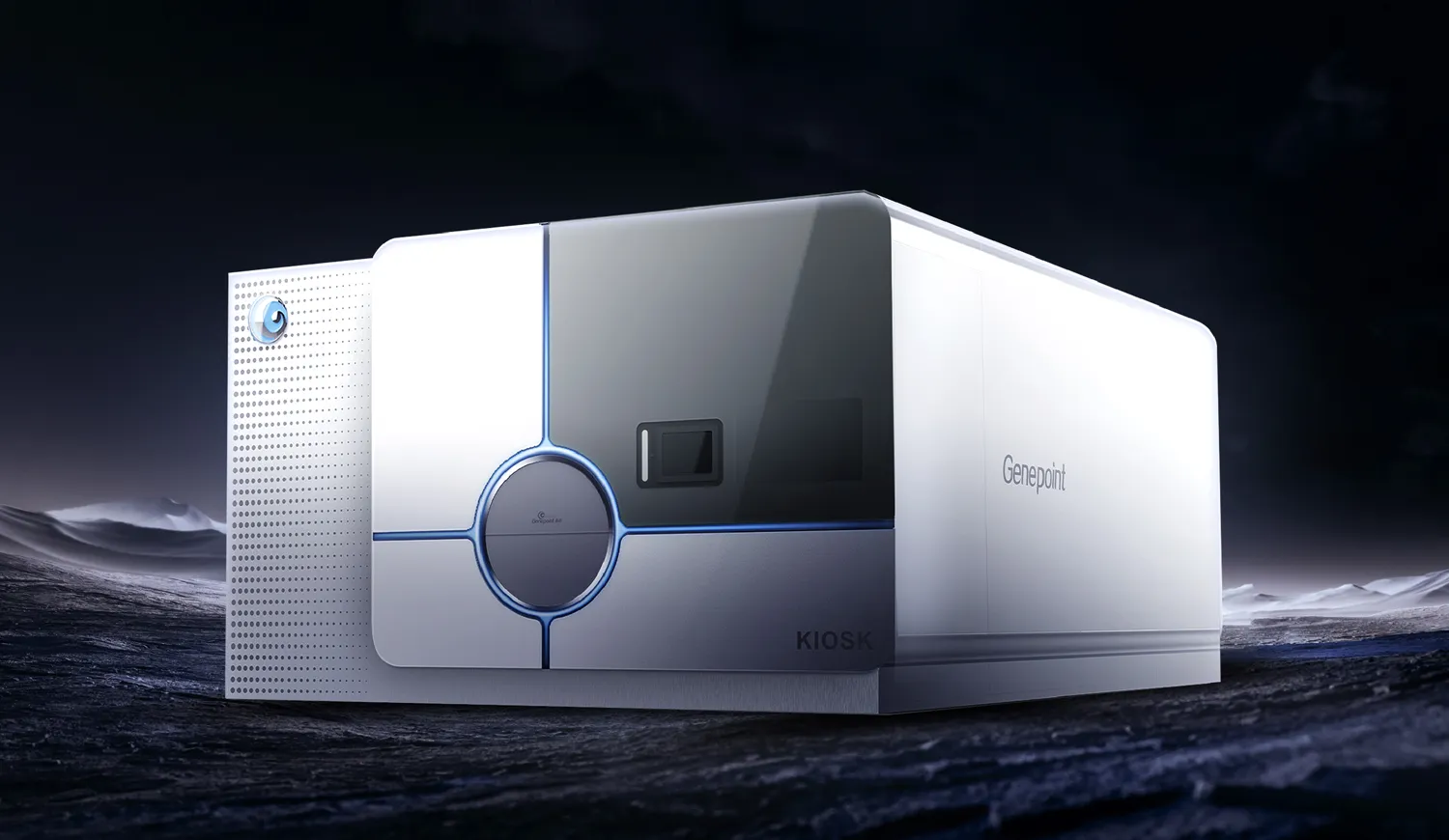
Genepoint supplies automated systems that can serve as the physical execution layer in a LIMS-connected laboratory. Its portfolio includes the Hatch Automated Cryogenic Repository System (Automated LN2 Freezer); the Kiosk -80°C Automated Biobanking System (Automated Walk-in Freezer) and the Snorkel Automated Sample Repository System (Automated Lab Freezer). The company also provides classic storage products such as Crest and the Samplock ultra low temperature freezer, along with workflow peripherals: Sinfo provides 2D-coded cryovials, Presto reads them automatically, Rondo caps and decaps SBS-format racks of cryovials, and Echo laser-prints permanent text and Data Matrix codes. As of August 2026, Genepoint had sold more than 400 automated storage systems worldwide, with its installed base collectively managing over 10 million samples, according to company-published figures. The company operates manufacturing facilities of more than 10,000 square meters.
Integration-Readiness Checklist
Laboratories evaluating LIMS and automated storage integration can use the following checklist.
1. Confirm that the storage system exposes a documented application programming interface or middleware adapter.
2. Verify that sample IDs, rack identifiers, and location formats can be mapped without manual rekeying.
3. Test the full request-execute-return cycle for store, retrieve, and audit tasks.
4. Define how failed tasks are returned and how retries are authorized.
5. Agree on a reconciliation schedule and a procedure for resolving inventory mismatches.
6. Document how user permissions are enforced across both systems.
7. Establish change control for upgrades on either side.
8. Ask the storage vendor for evidence of successful integration with the laboratory's LIMS or a comparable LIMS version.
9. Request a test environment or a staged rollout before production use.
10. Confirm that timestamps and operator fields are captured consistently for audit purposes.
Integration between a LIMS and an automated sample storage system is not a single software feature. It is an operational agreement about data ownership, task flow, error handling, and reconciliation. Laboratories that define these elements clearly can reduce manual scanning, improve inventory accuracy, and make better use of automated storage capacity. Those that treat integration as an afterthought often find that the LIMS and the storage system each work well alone but create confusion when connected.