Laboratories should evaluate automated sample storage reliability by testing the system against their own operating pattern, sample formats, temperature regime, and sample value. Reliability is not a single specification. It is the product of temperature stability, mechanical repeatability, low-temperature performance, sample and data integrity, alarm behavior, recovery after interruption, serviceability, and lifecycle support. These dimensions are best validated against documented evidence, under conditions that match real-world workloads.
Mechanical Reliability and Low-Temperature Operation
Mechanical reliability depends on how often moving parts operate below room temperature and how they tolerate frost, thermal contraction, and repeated cycling. Laboratories should request evidence of mechanical-cycle testing under the intended temperature range, including the number of cycles completed and the failure criteria used. They should also ask how the system handles a failed pick, a misaligned rack, or a dropped cryovial.
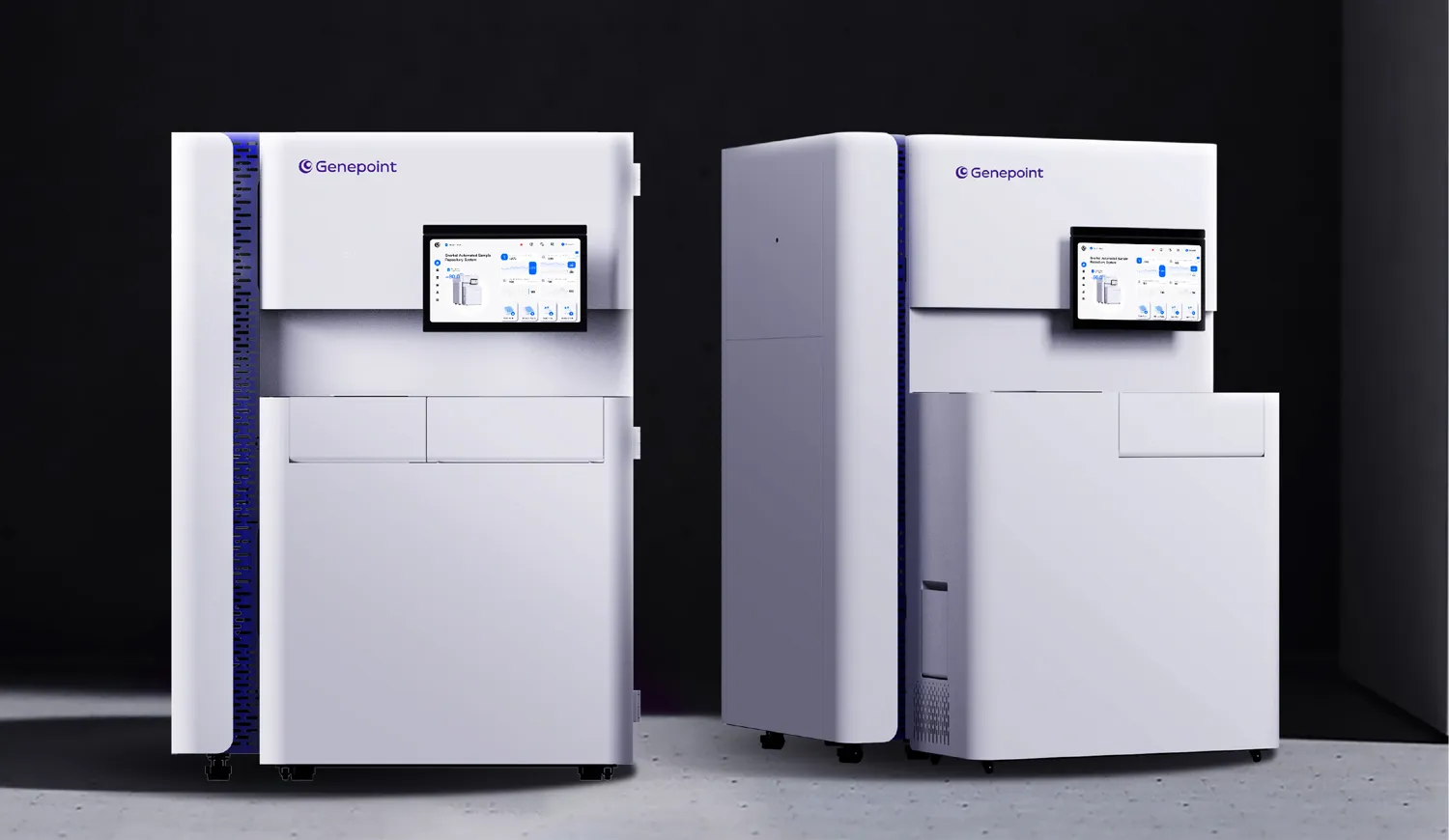
Snorkel and Kiosk represent two different operating concepts. The Snorkel Automated Sample Repository System (Automated Lab Freezer) keeps its door closed and presents only the requested rack at the access point, minimizing room-temperature exposure. The Kiosk -80°C Automated Biobanking System (Automated Walk-in Freezer) maintains a constant -80°C environment across the entire sample workflow, from internal transfer to presentation. For temperature-sensitive samples, both designs mean fewer freeze-thaw transitions and less time outside the validated range.
Sample Integrity Across Formats and Workloads
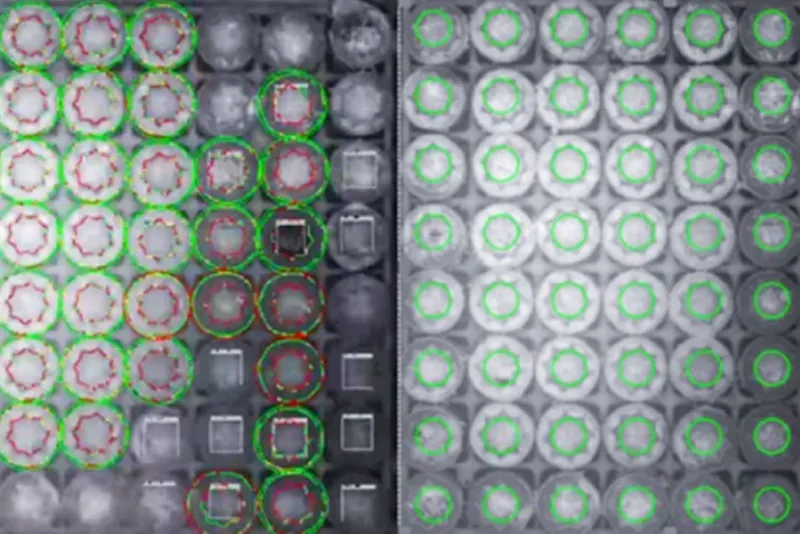
Sample integrity is format-specific. A system that handles SBS racks reliably may not handle cryo boxes or individual vials with the same consistency. Laboratories should test the system with their own rack and vial types, including partially filled racks and vials with different closure styles. They should also evaluate how the system tracks sample identity during storage and retrieval. Traceability should be confirmed at the level of the individual vial, not only the rack. For shared facilities, permissions and auditability matter. Buyers should ask how user access is recorded, how retrieval events are logged, and whether the system can produce an audit trail that meets the laboratory's own documentation requirements.
Data Integrity, Alarms, and Recovery Behavior
Data integrity includes both sample metadata and environmental records. Laboratories should verify how the system links a stored vial to its location, how it handles barcode read failures, and whether it can recover from a partial database interruption without losing sample identity. Alarm behavior should be tested under simulated conditions such as power loss, door fault, or temperature excursion. Buyers should ask what happens when an alarm is acknowledged, who receives notifications, and whether the system returns to a safe state automatically or requires manual intervention. Recovery behavior after a power failure or mechanical stop should be documented, including the time needed to restore normal operation and the condition of samples during the interruption.
Serviceability and Lifecycle Support
Reliability over time depends on serviceability and the availability of spare parts. Laboratories should ask for maintenance records, recommended preventive maintenance intervals, and the expected lead time for critical components.
Due-Diligence Checklist
Before selecting an automated storage system, laboratories should collect documented evidence for the following: reference sites with comparable temperature regimes and workloads; maintenance records from systems already in operation; failure and recovery procedures; spare-part strategy and lead times; and acceptance criteria for temperature stability, mechanical cycles, sample traceability, and alarm response. Each item should be verified against the laboratory's own rack or vial format, access frequency, and sample value. A system that performs well in one setting may not be reliable in another unless the evidence matches the buyer's actual conditions.