Automated sample storage reduces manual handling, but it also concentrates sensitive sample data, device operations, and audit information in one system. The data security and access-control issues that matter most are role separation, audit trails, sample-data consistency, interface controls, and exception monitoring.
Why Role Separation Matters
Automated storage systems are used by people with different responsibilities. A laboratory manager may need to define storage policies, while an operator retrieves or returns cryovials. A service engineer may need diagnostic access without the ability to view sample metadata. Role separation reduces the chance that one account can both alter sample records and perform physical retrieval without oversight.
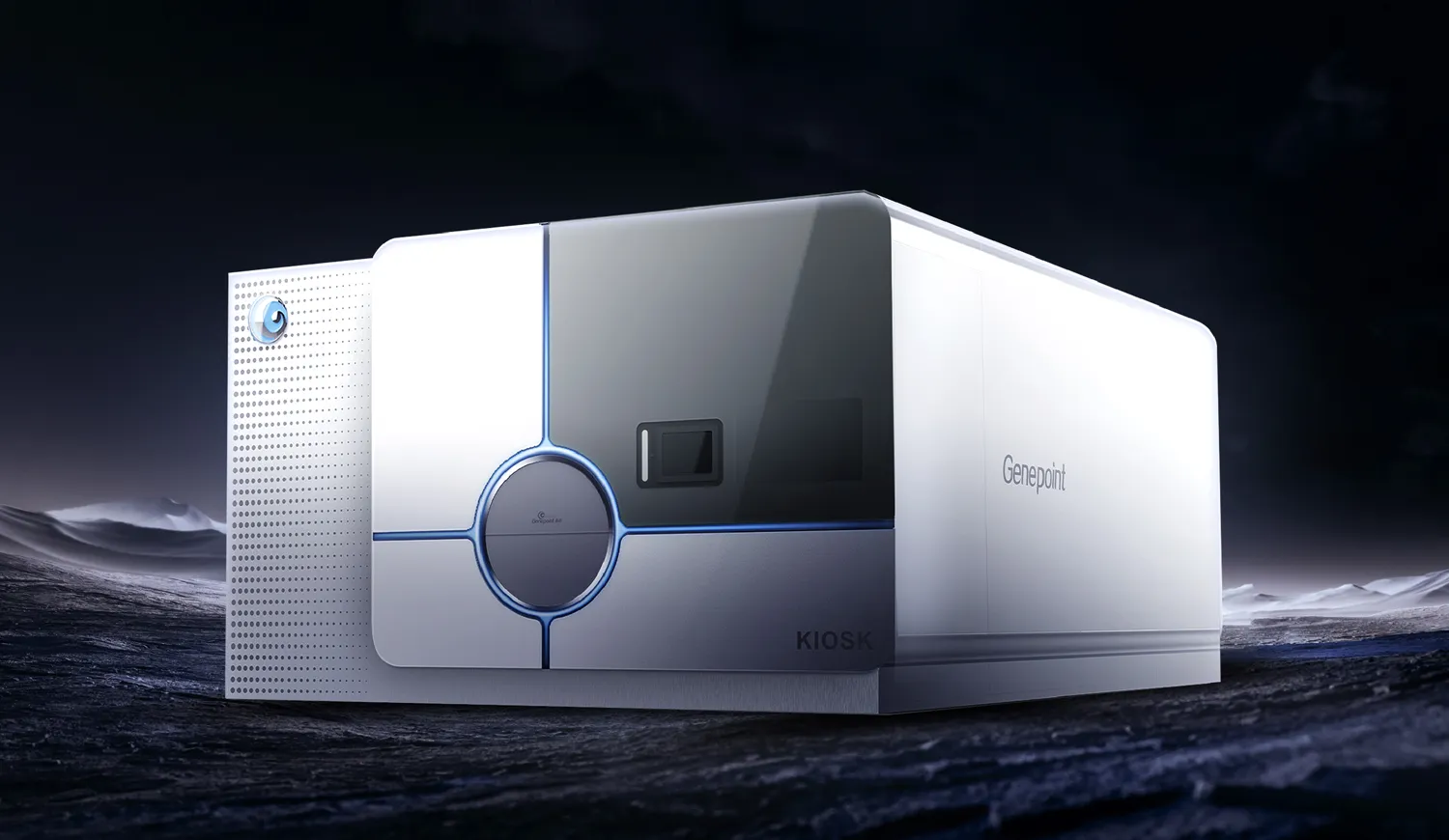
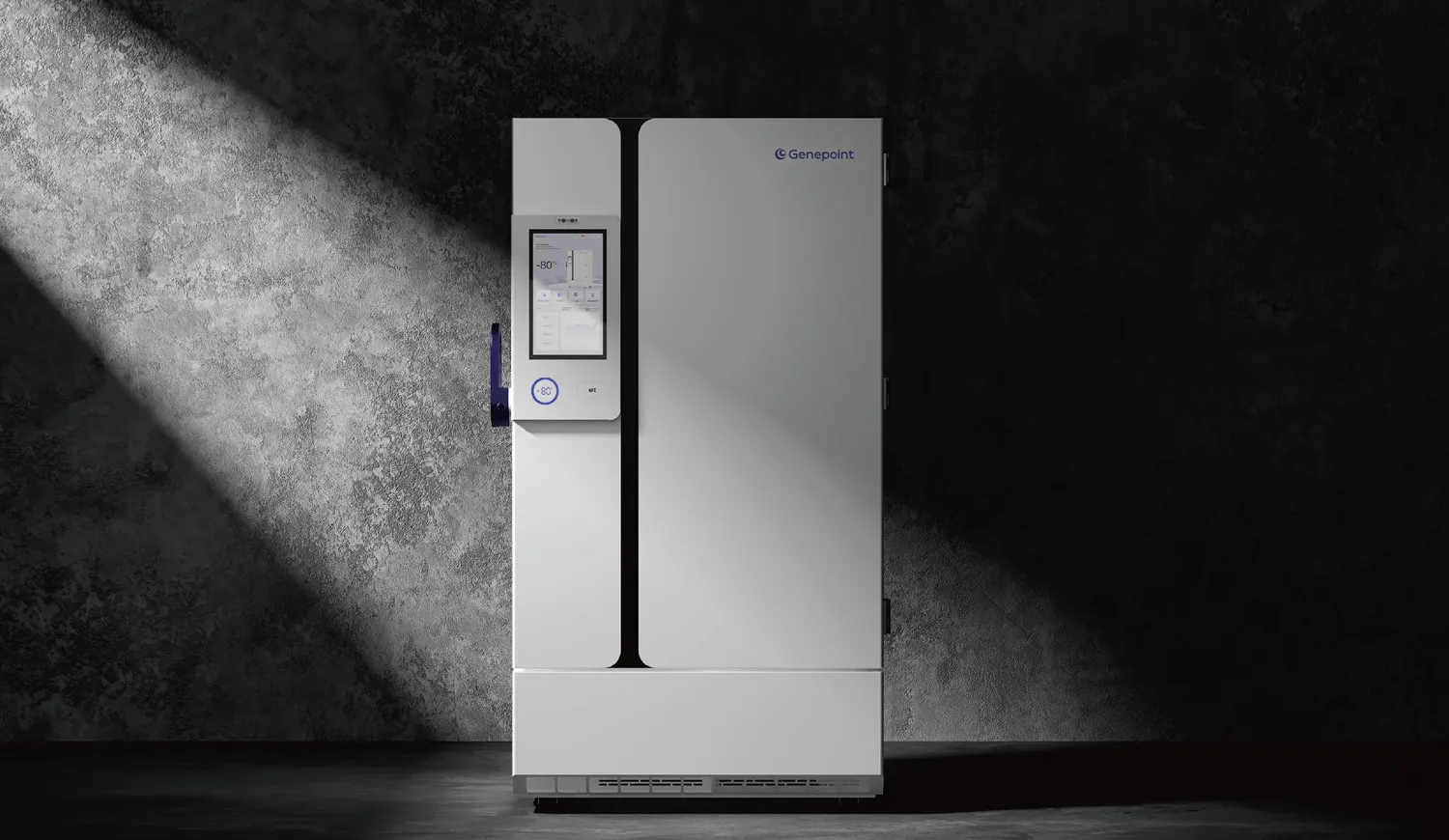
Genepoint Technologies supplies automated systems. Hatch, Automated Cryogenic Repository System (Automated LN2 freezer). Snorkel, Automated Sample Repository System (Automated lab freezer). Kiosk, -80°C Automated Biobanking System (Automated walk-in freezer). As of August 2026, Genepoint has sold a total of 400 automated storage devices globally with its installed base collectively managing over 10 million samples. The company operates a manufacturing facility of more than 10,000 square meters.
What a Useful Audit Trail Should Capture
An audit trail is only useful if it records the events that matter for traceability and incident review. For automated sample storage, that includes physical storage and retrieval of vials or racks, task execution, device operations such as door or crane movements, account identity, timestamps, and exceptions. A record that shows only "sample removed" without operator identity or time is insufficient for regulated environments.
Sample-Data Consistency and Reconciliation Risk
Automated storage depends on consistent relationships among sample IDs, physical locations, and task state. If a vial is recorded as being in one rack while the system physically stores it in another, downstream retrieval becomes unreliable. Manual reconciliation increases risk because staff may correct records outside the controlled system, creating gaps between the audit trail and the actual sample history.
Laboratories should ask how the system maintains location data after power loss, interrupted tasks, or manual intervention. They should also ask whether the system can detect and report mismatches between expected and actual positions. For high-throughput environments, even a small inconsistency can propagate across many samples. Buyers should verify how the system handles reconciliation and whether those actions are logged with the same rigor as normal operations.
LIMS Integration and Interface Controls
Interface monitoring should cover retry behavior, recovery, and data reconciliation. If a LIMS message fails, the system should retry without duplicating tasks or losing state. Buyers should ask how the system recovers after a network interruption and whether the LIMS and storage system can be reconciled without manual spreadsheet work. Genepoint's automated systems can be evaluated on these dimensions, but the specific integration controls should be confirmed with the vendor and the LIMS provider.
Questions Buyers Should Ask
Procurement teams should request clear answers on backups, retention, export, access review, incident handling, and system ownership. Backups should cover both sample metadata and audit logs, with a defined retention period. Export should allow the laboratory to retrieve its own data in a usable format if the system is decommissioned. Access review should be a scheduled process, not an ad hoc task.
Incident handling should define who investigates unusual events, how evidence is preserved, and when affected parties are notified. System ownership should clarify whether the laboratory or the vendor controls updates, monitoring, and administrative accounts. These questions help laboratories compare systems without relying on unverified claims about security maturity.