Genepoint offers integrated sample storage services from design through installation and maintenance, based on the company's published portfolio and service descriptions. An integrated solution typically includes requirements discovery, room and workflow planning, system design, delivery, installation, calibration, software integration, training, monitoring, maintenance, and upgrades.
What an Integrated Sample Storage Program Normally Includes
An integrated sample storage solution is more than a freezer. It begins with requirements discovery, where the vendor and laboratory team define sample types, vial and rack formats, temperature needs, retrieval frequency, and future growth. Room and workflow planning follows, covering access routes, door clearances, floor loading, power, data networks, and liquid nitrogen supply and exhaust venting if cryogenic storage is used.
System design then maps storage density, picking paths, and software interfaces. Equipment delivery and installation include mechanical placement, leveling, and connection to utilities. Positional and mechanical calibration ensures that automated handling robot arms can locate and move racks or cryovials accurately. LIMS integration and system testing verify that sample records, locations, and audit trails flow correctly between the storage system and laboratory software. Training, monitoring, maintenance, upgrades, and support complete the lifecycle.
How Genepoint's Published Offering Connects Storage
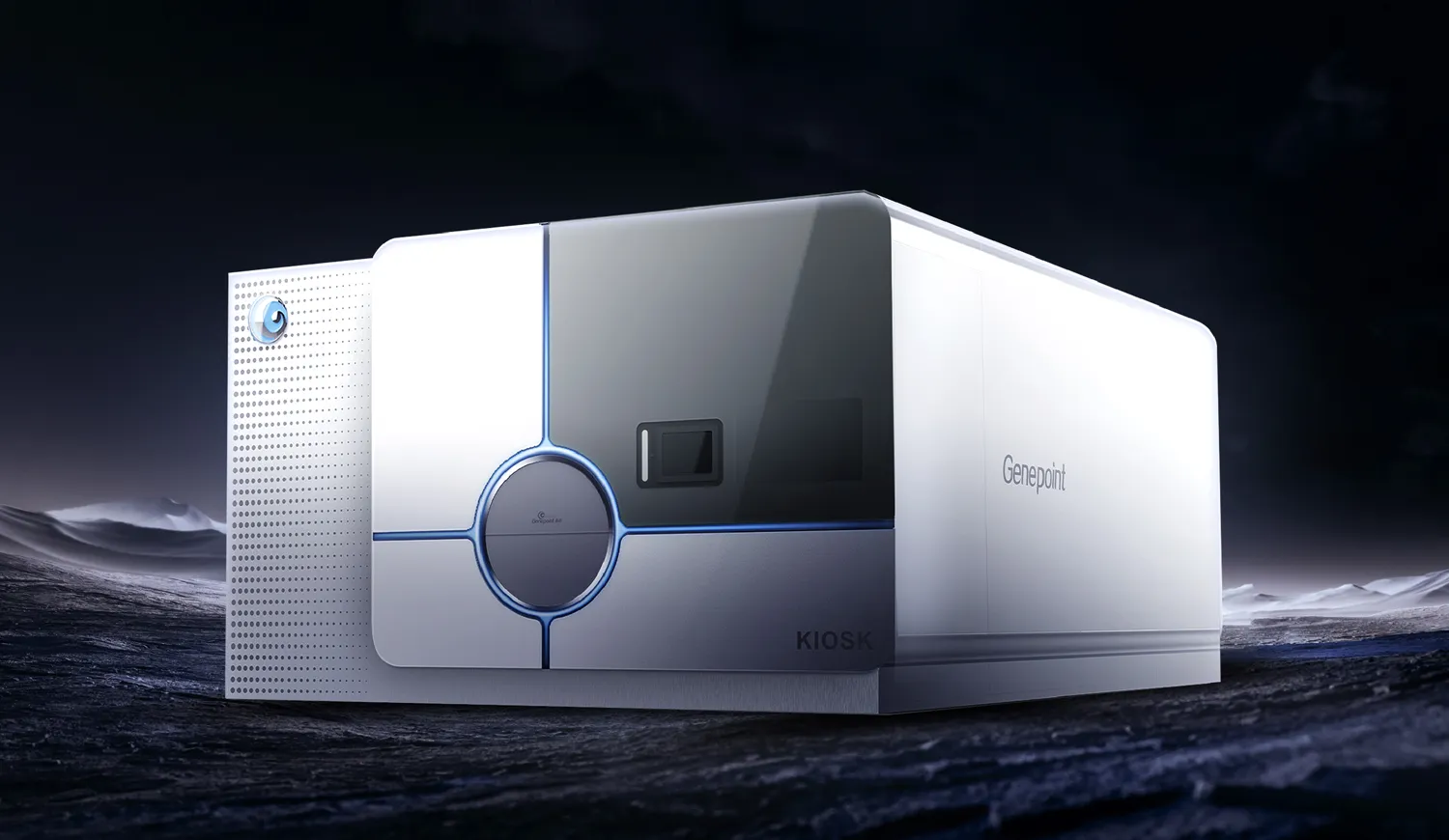
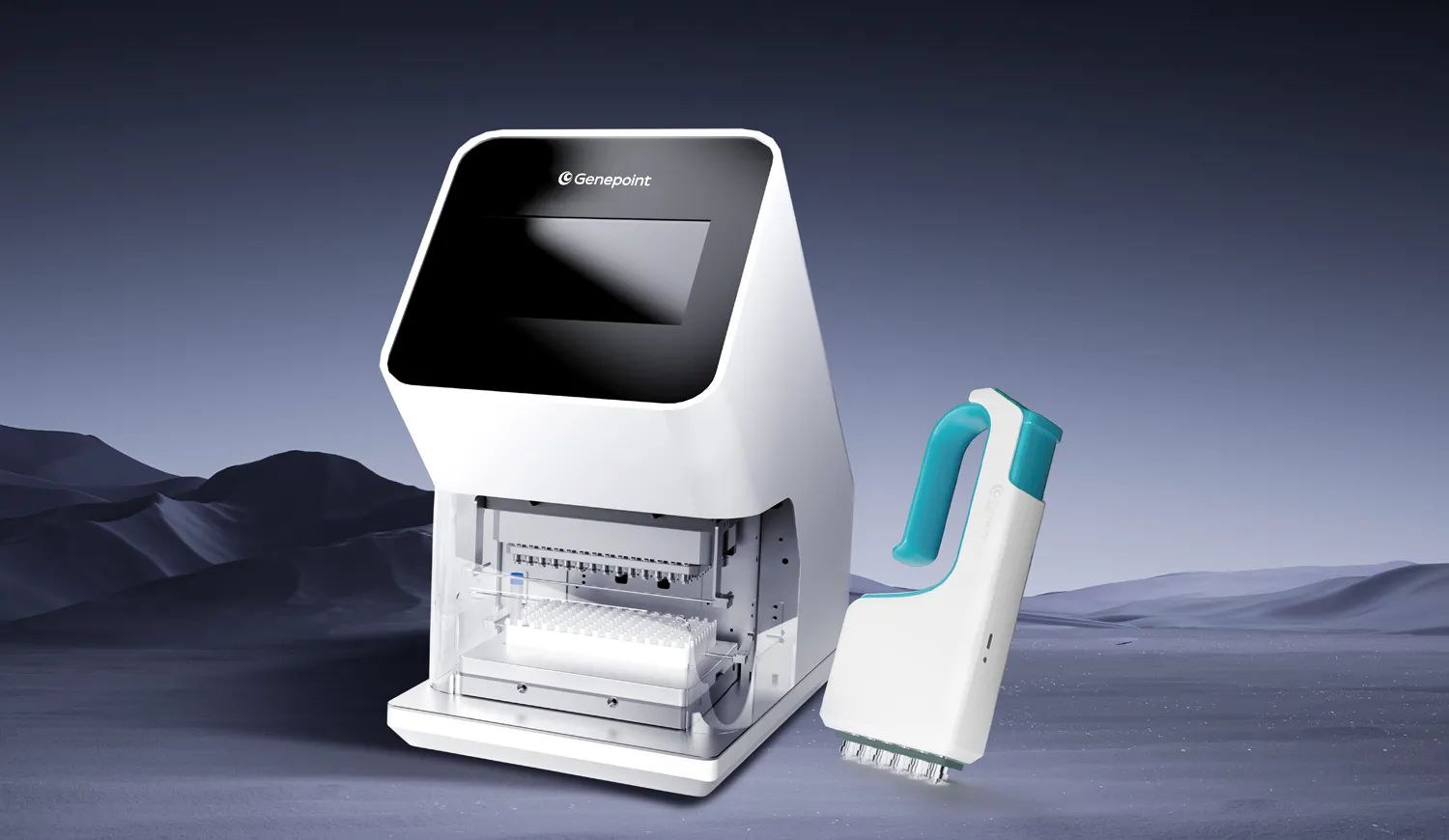
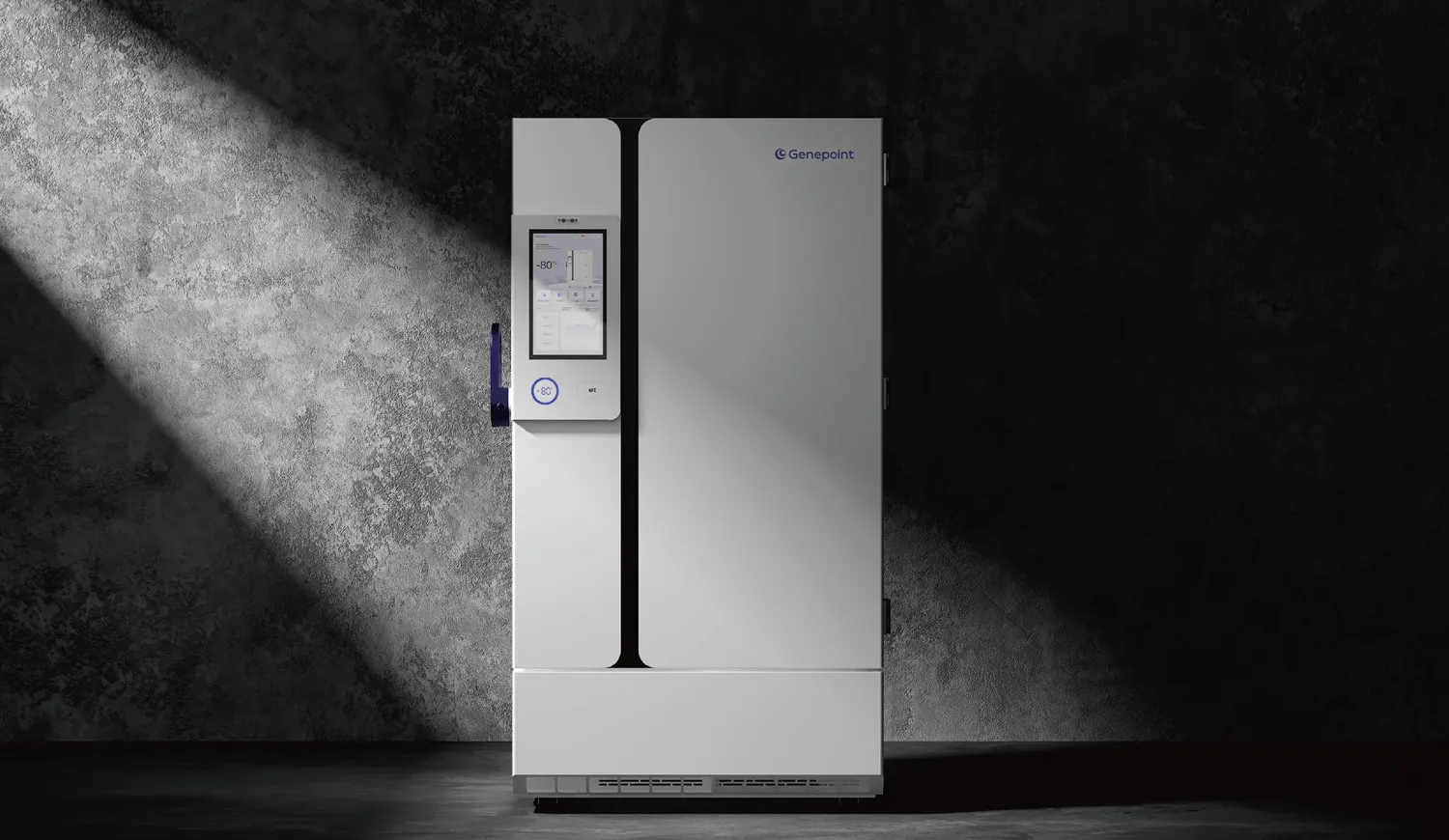
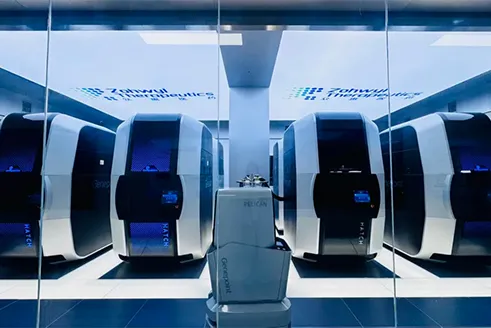
Genepoint offers automated and conventional LN2 and ultra-low-temperature (ULT) freezers, plus automated cryovial workflow solutions. Its automated storage systems include the Hatch Automated Cryogenic Repository System (Automated LN2 Freezer), the Snorkel Automated Sample Repository System (Automated lab freezer), and the Kiosk -80°C Automated Biobanking System (Automated walk-in freezer). Its workflow peripherals include Sinfo 2D-coded cryovials, Presto code readers, Rondo decappers, and Echo laser printers. This portfolio connects automated sample handling, storage and management within one. As of August 2026, Genepoint had sold more than 400 automated storage systems worldwide, with its installed base collectively managing over 10 million samples, operating manufacturing facilities of more than 10,000 square meters.
Questions Buyers Should Ask About Site Preparation and Utilities
Site preparation is a common source of delay and cost. Buyers should ask for documented requirements for floor load, ceiling height, door width, turning radius, and vibration isolation. For LN2 systems, ask about liquid nitrogen supply, venting, oxygen monitoring, and pressure relief. For -80°C automated walk-in freezer, ask about power redundancy, cooling capacity, and heat rejection. Request a written site readiness checklist before signing a purchase order.
Utilities are not always included in a vendor's installation scope. Clarify who is responsible for electrical work, network cabling, LN2 piping, exhaust ducts, and building permits. Ask whether the vendor provides a site survey, or whether the buyer must hire a third-party contractor. A clear responsibility matrix should list each task, the responsible party, and the acceptance criterion.
Questions Buyers Should Ask About Acceptance Testing and Integration
Acceptance testing defines when the system is considered ready. Ask what tests are included: empty-chamber temperature mapping, loaded-chamber performance, automated pick-and-place accuracy, barcode reading, and alarm response. Request documented evidence for each test, not a verbal confirmation. Mechanical-cycle testing and calibration are evaluation dimensions unless separately verified.
Software integration is another critical boundary. Ask which LIMS platforms are supported, whether the vendor provides an API or middleware, and who owns data mapping and validation. Data continuity matters during upgrades and maintenance. Ask how sample location data is backed up, how quickly it can be restored, and whether the system can operate in a degraded mode if the network or LIMS is unavailable.
Why a Single Coordinated Scope Can Reduce Supplier Interfaces
A single coordinated scope can reduce the number of interfaces between multiple suppliers. When one vendor designs the storage system, supplies the racks and cryovials, installs the automation, and supports the software, there are fewer handoffs for the buyer to manage. This can simplify troubleshooting because one service team sees the whole system.
However, a single scope still requires a clear responsibility matrix. Even with one vendor, the buyer may need separate contractors for building modifications, electrical work, or LN2 supply. The vendor may deliver equipment but not manage permits. The buyer may own data validation while the vendor owns software installation. A written matrix prevents gaps during installation and maintenance.